
Special Assessments in Illinois HOAs and Condos
The Bill Nobody Budgets For.
What a special assessment is, how Illinois boards approve one, how the amount is calculated and what owners and boards can do about it.
What a special assessment is
A special assessment is a one-time charge to owners, above their regular monthly assessments, used to fund something the operating budget and reserves cannot cover. It is not a fee for a service and it is not a fine - it is the association asking owners for money to pay a specific cost.
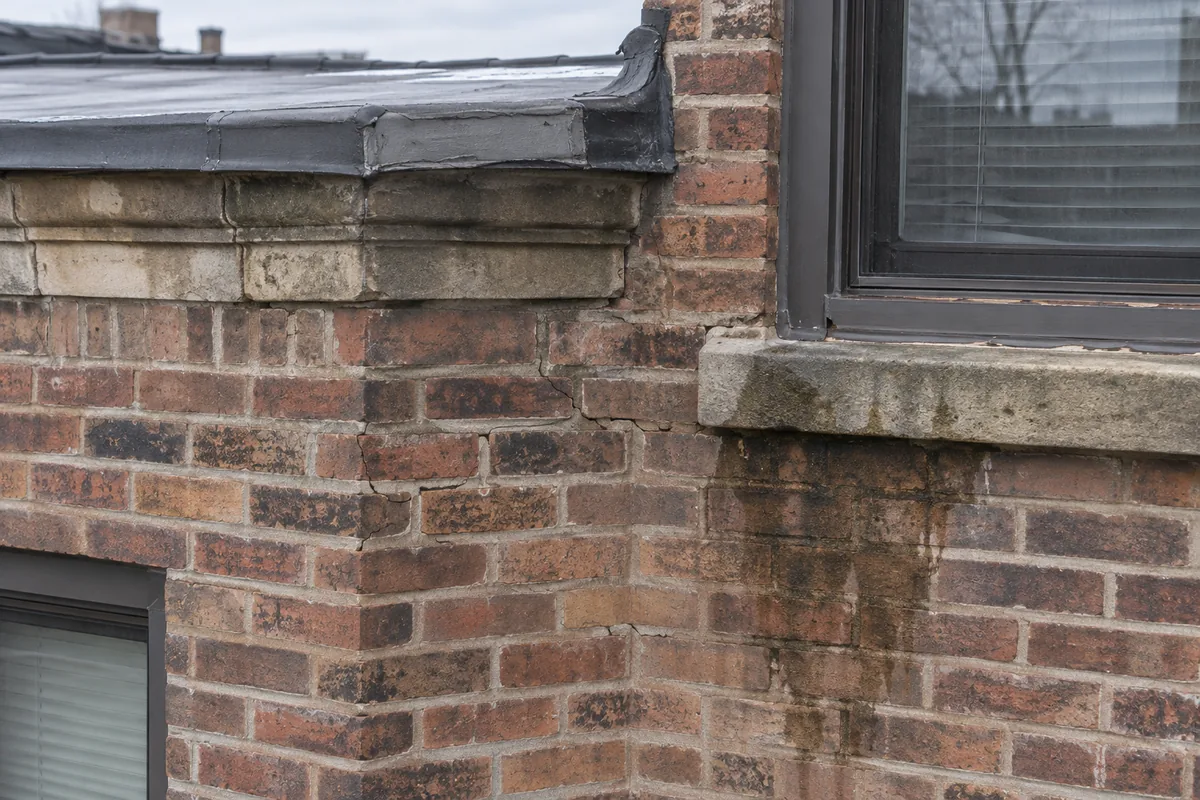
The usual triggers are a capital project (roof replacement, masonry and facade work, plumbing risers, elevator modernization), an emergency repair, a shortfall created by underfunded reserves, or an insurance gap after a loss. A full roof replacement on a mid-size Chicago building is a major capital project - and the portion reserves do not cover is what becomes the special assessment.
Why they happen more often than they should
Special assessments are sometimes unavoidable - a garage ceiling collapses, a boiler fails in January, a facade inspection finds unsafe masonry. But most of the ones boards face are funding problems wearing an emergency costume:
- Reserves funded too low for too long - contributions held at 5-8% of the operating budget instead of the 15-20% reserve studies typically recommend
- No current reserve study - so nobody knows what the roof, boiler or elevators will cost or when
- Deferred maintenance - small repairs skipped until the system fails entirely
- Vendor spend that outran the budget - inflated or no-bid work quietly draining the reserve account
The pattern matters: an association that special-assesses once for a genuine surprise is unlucky. An association that special-assesses every few years is underfunded by design, and the board should say so plainly.
How the board approves one in Illinois
The board approves a special assessment by board vote, under the authority in the declaration and bylaws - but the mechanics matter:
- Check the declaration for any owner-approval threshold. Some documents require a membership vote for assessments above a set amount or percentage.
- Put it on a properly noticed board agenda, with the project, the bids and the funding gap in the packet.
- Vote, and record the amount, the purpose, the payment terms and the reasons in the minutes.
- Notify owners in writing with the amount, due date, payment options and who to contact with questions.
This is general practice, not legal advice - for a large assessment, have association counsel review the notice and the authority before it goes out.
How the amount is calculated
The math is simpler than it looks. Take the total project cost, including engineering, permits and a contingency, and subtract what the reserves can actually cover. The gap is the amount to be assessed. It is then allocated to owners according to their percentage interest in the common elements - which usually tracks unit size, not an equal split per unit.
Example: a roof project where reserves cover 40% of the cost leaves 60% to be assessed. In a 40-unit building where units carry roughly equal interest, that works out to about 1.5% of the project cost per unit - the kind of number that lands as a real financial event for a household.
Payment options boards should offer
A lump-sum demand is the fastest way to turn a repair into a delinquency problem. Most boards offer a payment plan:
- Lump sum - with a discount or priority credit where the documents allow
- Installments - spread over a defined number of months, with the schedule written down
- A hardship policy - a documented path for owners who genuinely cannot pay on the standard schedule, applied consistently
Whatever the plan, the association needs a written policy and consistent enforcement - selective leniency is how boards get sued and how collections collapse.
What owners can do when a special assessment lands
Owners have more leverage than they think, mostly before the vote: read the board packet, ask for the bids, ask what the reserve study projected for this component and when, and ask whether the funding gap was foreseeable. After the vote, ask for the payment terms in writing and get the plan on the record. If the assessment is large, a group of owners can request a meeting with the board - and in some declarations, enough owner signatures can force a vote on alternative funding.
How to avoid the next one
There are only three levers, and boards control all of them: fund reserves properly (the 15-20% target in the reserve study), keep the study current, and control vendor spending with documented bids. An association that does those three things still faces surprises - but it faces them with money already set aside. Our guide to HOA reserve studies in Illinois explains what should be in one and when to update it.
For how reserves, budgets and management fit together, read our guide to HOA management in Chicago and the cost guide . If your board is facing a special assessment and wants a second opinion on the funding plan, talk to us - the call is free.
A two-week onboarding that respects your time.
From inquiry to live operations in about 14 days.
Free Intro Call - Week 0 (30 min)
Talk through your issues, get practical next steps, and decide if we're a fit - no pressure. The call is completely free, no strings attached.
Setup & Docs - Week 1
Software and owner portals enabled, owner roster and vendor logins collected, welcome packets sent and the board trained.
Go-Live & Monitor - Week 2
Collections, accounts payable and reporting start, followed by a first 30-day check-in and a quarterly board cadence.


Buildings We Manage.
Condominium associations and communities across Chicago, Rosemont and Schiller Park - managed by our condo management and association management teams.
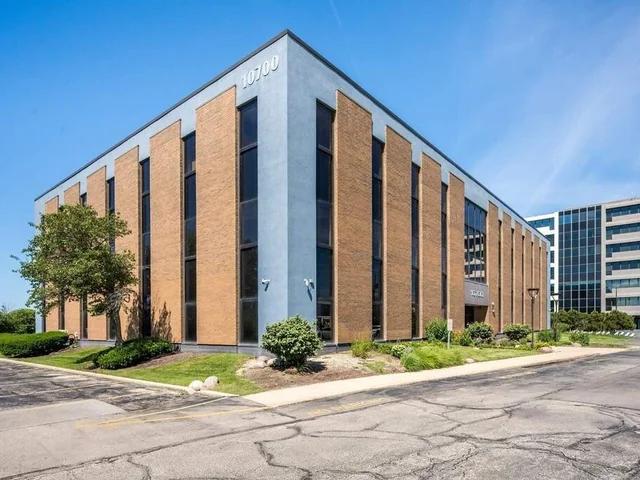
Northpointe O'Hare Condominium Association
10700 W Higgins Rd, Rosemont, IL 60018
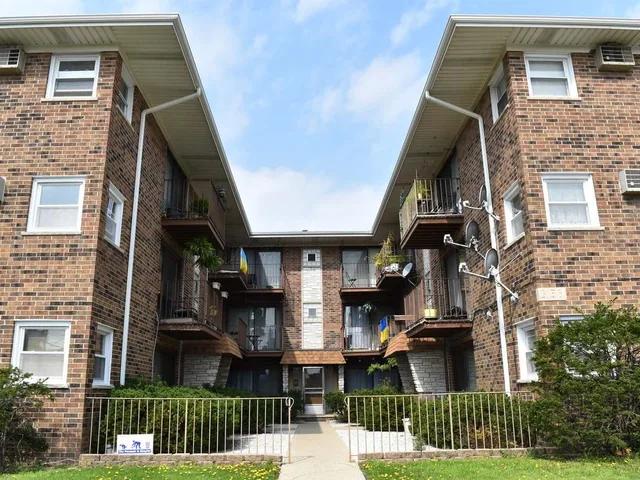
Neenah Manor Condominium
3158 N Neenah Ave, Chicago, IL 60634
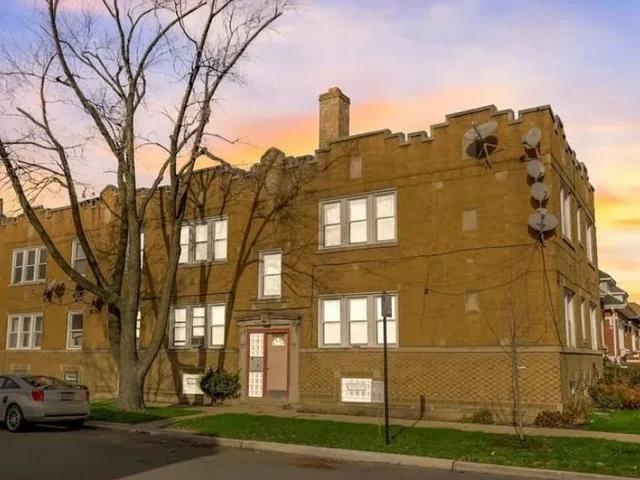
West Barry Condominium Association
5502-10 W Barry Ave, Chicago, IL
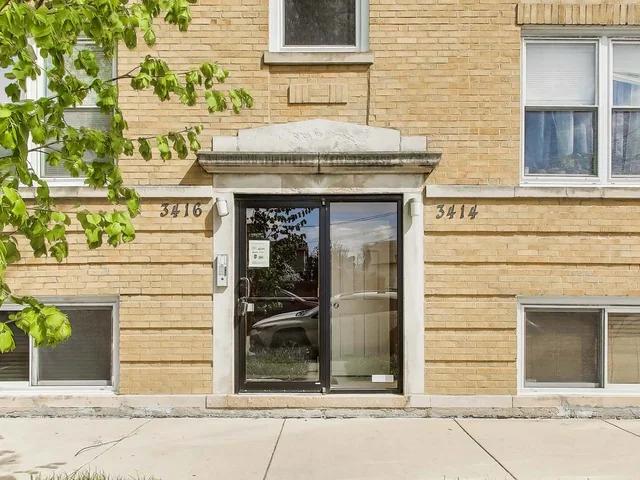
Cullom Condominium Association
3414-24 W Cullom Ave, Chicago, IL 60618
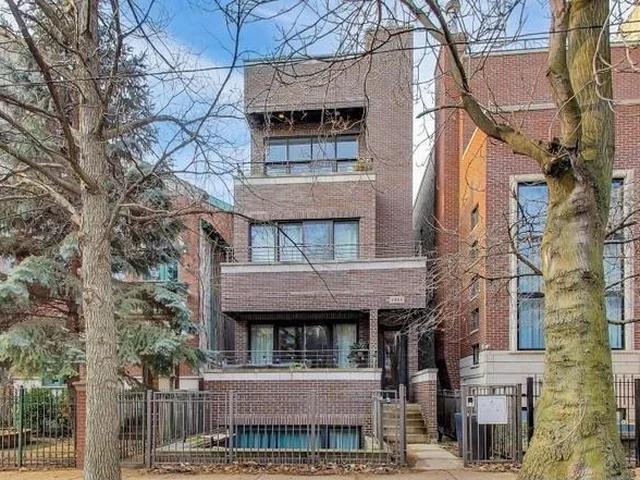
1044 N Wolcott Condominium Association
1044 N Wolcott Ave, Chicago, IL 60622
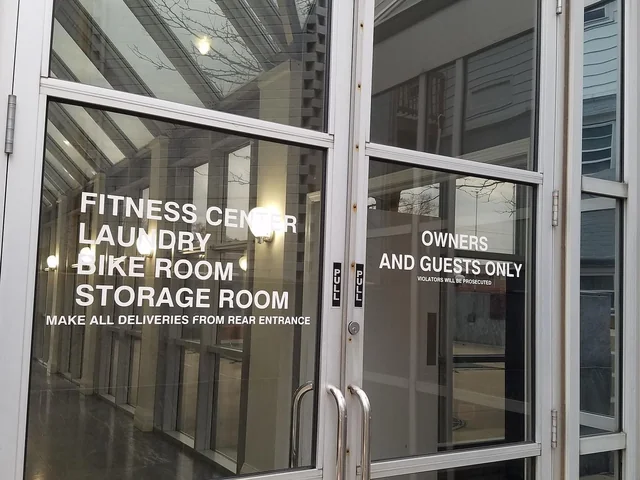
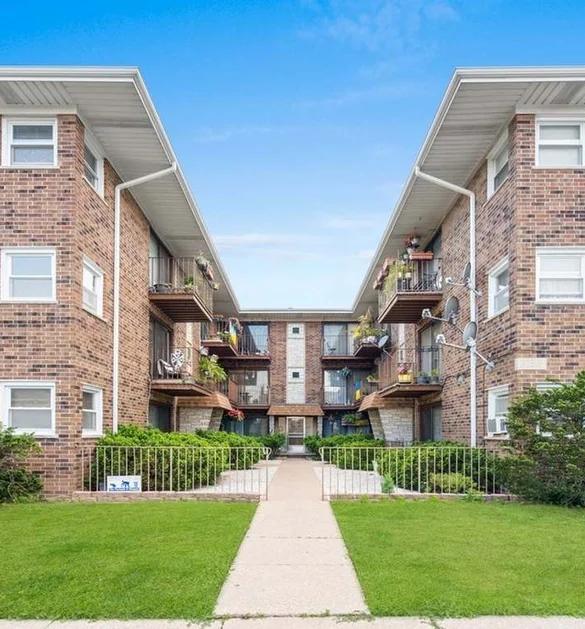
Kristina Courtyards Condominium Association
9450 W Lawrence Ave, Schiller Park, IL
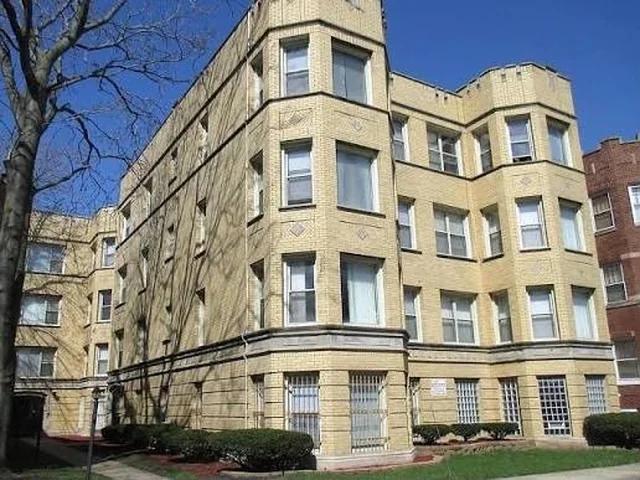
East End Ventures
7716 S East End, Chicago, IL
Answers to common questions.
Book a Free 30-min Call?
(847) 773-0026A one-time charge to owners above regular assessments, used to fund a capital project, emergency repair or shortfall that operating funds and reserves cannot cover. It is approved by the board and billed to owners, usually as a lump sum or a written payment plan.
Take the total project cost including engineering, permits and contingency, subtract what reserves can cover, and allocate the gap to owners by their percentage interest in the common elements. Unit size usually drives the share, not an equal split per unit.
In most Illinois associations the board approves special assessments by vote, under authority in the declaration and bylaws - but some documents require owner notice or a membership vote above a set threshold. Check the declaration and have counsel review the notice for a large assessment.
No - a properly approved special assessment is an obligation of ownership, like regular assessments. Unpaid amounts typically follow the same collection path as delinquency, including lien rights where the documents allow. Boards should still publish a consistent hardship policy for owners who genuinely cannot pay on schedule.
No. The board sets the payment terms when it approves the assessment: lump sum, installments over a defined period, or both. The terms and the schedule should be in the board minutes and in the written notice to owners.
Sometimes, depending on what the assessment funds and how the association accounts for it. That is a question for a tax professional who can review the association's records and the owner's situation - we do not give tax advice.
Share your issues & questions. Leave with a path to the “Promised Land.”