HOA & Condo Management in Chicago: A Board Member's Guide
What Every Chicago Board Member Should Know About Management.
Written for volunteer condo and HOA boards in Chicago and Illinois - what management covers, what it costs, how to choose a company, and how to switch without interrupting collections or services.
Serving on a condo or HOA board is a volunteer job that quietly carries the financial health of an entire building. Most board members inherit the role with no training: one day you are an owner, the next you are approving budgets, chasing late assessments, negotiating a roof bid and explaining a reserve shortfall at a 7 p.m. meeting.
Professional management exists to carry the administrative half of that job so the board can focus on decisions. But management comes in very different shapes - from a bookkeeper who sends monthly statements to a full-service company that answers owner calls at 2 a.m. This guide explains the differences in plain language, with Illinois specifics, so your board can choose deliberately instead of by default.
1. HOA vs condo association in Illinois
Both are common-interest communities, but the legal structure differs - and that structure shapes what management can and cannot do.
| Condo association | HOA / homeowners association | |
|---|---|---|
| Governing law and documents | Illinois Condominium Property Act plus the declaration and bylaws | Covenants, conditions and restrictions (CC&Rs) plus bylaws |
| What owners own | The unit interior; common elements are owned collectively | The lot and structure, with shared amenities and common areas |
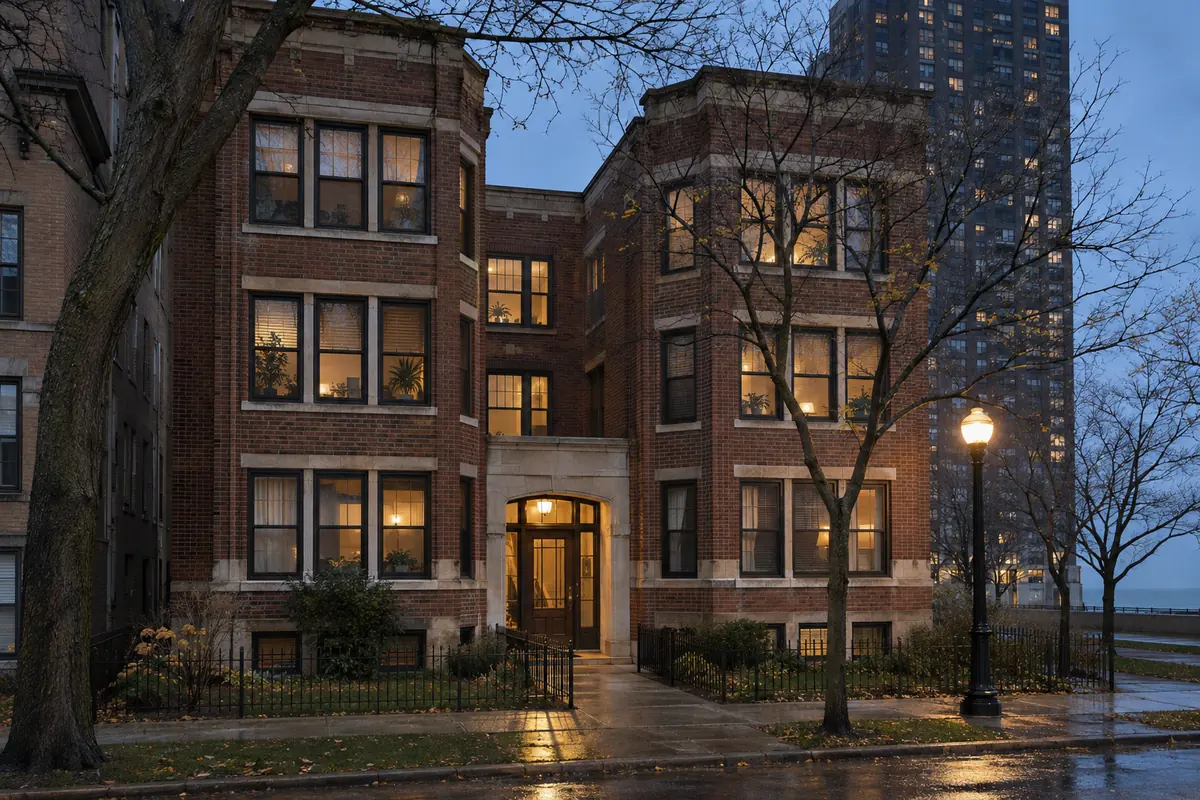
| Typical Chicago examples | Lakefront high-rises, courtyard buildings, converted walk-ups | Townhome communities, suburban subdivisions |
| Board focus | Elevators, masonry, roofs, common utilities, reserve funding | Landscaping, snow, private drives, rules enforcement |
Why it matters for management: reporting, reserve planning and enforcement all follow the governing documents. A manager who applies one template to both building types is guessing - ask any company you interview to explain how they handle your specific structure. More detail lives on our condo management and association management pages.
2. What association management actually includes
"Full-service management" is a phrase, not a scope. The work breaks down into eight functions - compare any proposal against this list:
- Assessment collections and bill pay - billing every owner on schedule, applying payments, chasing delinquencies through a documented ladder, paying approved vendor invoices
- Financial reporting - monthly income-and-expense against budget, balance sheet, reserve activity and delinquency - readable at a board meeting
- Reserve tracking - reserve funds kept separate from operating cash, with board-approved draws and documentation
- The document drive - declarations, bylaws, minutes, insurance certificates and vendor contracts in a searchable virtual drive
- Owner portal and requests - balances, autopay, documents and a tracked request queue instead of a manager's inbox
- Vendor coordination - a local bench per trade, certificates of insurance, competitive bids and supervision
- Board support - meeting packets, agendas, minutes, action-item tracking and annual budget preparation
- Availability - defined response commitments, 24/7 support and emergency escalation
Our HOA accounting services page covers the financial half in depth, and self-managed HOA support explains the hybrid model where the board keeps more of the work.
3. Self-managed, hybrid, or full management - the real decision
Three working models exist, and the right one depends on the building, not on ideology:
- Self-managed - the board does the work. Works for small associations with an organized treasurer and a simple building - until the treasurer moves away or the paperwork drifts.
- Hybrid - the board keeps every decision while a company handles collections, financials, documents, owner requests and vendors. The middle path most boards actually want.
- Full management - a manager runs the day-to-day operation with the board approving budgets, rules and projects. Sensible for larger buildings with staff, elevators or complex systems.
Warning signs that self-management has outgrown itself: minutes not approved for months, delinquency discovered late, a treasurer doing books at 11 p.m., vendors chosen without bids, and a reserve study nobody can find. Any two of those is usually the point to price a hybrid model.
4. What management costs and how boards budget
Chicago management generally uses one of two pricing shapes: a flat monthly fee for smaller associations, or a per-unit fee for larger buildings. The spread comes from four variables - unit count, service level, building age and complexity, and how much history comes with the association. Clean records are cheaper to manage than five years of reconstruction.
Two budget habits matter more than the management fee itself: reserve contributions targeting 15-20% of the operating budget, and strict expense control so special assessments stay rare. A management fee that looks cheap while a failing roof goes unfunded is not saving anything - it is borrowing from owners at the worst possible interest rate.
Our Chicago HOA management cost guide explains market ranges, what changes a quote and the contract clauses to watch.
5. How to choose a management company in Chicago
Ask every candidate the same ten questions - and compare the answers, not the sales pitch:
- Who selects vendors, and what is the minimum number of bids above a defined threshold?
- How are related-party relationships and vendor referrals disclosed?
- What reserve funding target does the proposed budget apply, and how is it calculated?
- Can reserve funds move without a board vote, and who signs?
- What reporting arrives monthly, in what format, by which date?
- What is the response commitment for owner requests, and how is it tracked?
- Who answers at 2 a.m., and what counts as an emergency?
- How is the transition handled - records, bank accounts, vendor logins, portal?
- What does the agreement say about termination, notice and renewal?
- Which specific buildings in our area does the firm manage today?
Red flags that repeat in this market: the same vendors winning year after year with no-bid "emergency" work, invoices that do not match contracts, reserve contributions held flat while vendor spend climbs, and financial reports that cannot be audited line by line. If the answers are vague, the vagueness is the answer.
6. Switching managers without chaos
A well-run transition takes about two weeks and does not interrupt collections or bill pay:
- Week one - records and bank accounts transfer, the owner roster is verified, vendors and utility providers are notified, software and portal are set up
- Week two - collections and AP go live, the document drive is populated, welcome packets go out, the board is trained
- Day 30 - first check-in on collections and open items, then the quarterly reporting rhythm begins
Read the termination clause before signing with anyone: notice period, record transfer, and who controls the portal and the bank accounts. A management agreement the board cannot exit cleanly is a red flag by itself. The full sequence is in our guide to switching HOA management companies in Chicago . Questions about a specific transition: talk to us - the call is free.
7. Chicago buildings are not all the same
Management realities change block by block. The main types, and what each one actually needs:
- High-rises - elevator maintenance contracts, garage operations, common-area utilities, fire-life-safety inspections and a reserve plan that can absorb a mechanical failure
- Vintage walk-ups and courtyard buildings - masonry and tuckpointing cycles, radiator and plumbing systems, original windows - the reserve study matters more than the fee
- Townhome and suburban HOA communities - landscaping and snow contracts, private drives, roofing and siding cycles, and consistent rules enforcement
We work across these markets: see Evanston , Skokie , Schaumburg , Arlington Heights and Palatine for the local building stock in each.
8. Reserve studies and special assessments explained
A reserve study inventories the building's major components - roof, masonry, mechanicals, paving - assigns remaining useful life and replacement cost, and models how much the association should fund each year. It is the difference between planning a roof replacement and discovering one.
When reserves are underfunded, the gap becomes a special assessment: a one-time charge to owners, due in a lump sum or short payment plan. The board did not create the failing roof - but the funding gap is why a building event becomes a personal financial event for every owner. We explain both in detail: how special assessments work in Illinois and what a reserve study contains and how boards use it . For how these numbers fit the budget, read our cost guide .
A two-week onboarding that respects your time.
From inquiry to live operations in about 14 days.
Free Intro Call - Week 0 (30 min)
Talk through your issues, get practical next steps, and decide if we're a fit - no pressure. The call is completely free, no strings attached.
Setup & Docs - Week 1
Software and owner portals enabled, owner roster and vendor logins collected, welcome packets sent and the board trained.
Go-Live & Monitor - Week 2
Collections, accounts payable and reporting start, followed by a first 30-day check-in and a quarterly board cadence.


Buildings We Manage.
Condominium associations and communities across Chicago, Rosemont and Schiller Park - managed by our condo management and association management teams.
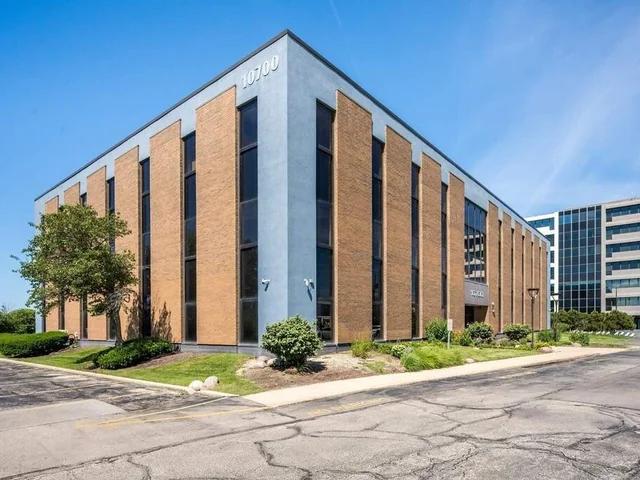
Northpointe O'Hare Condominium Association
10700 W Higgins Rd, Rosemont, IL 60018
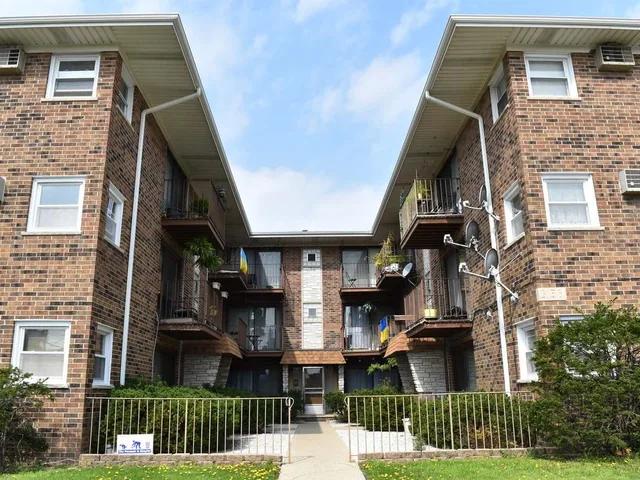
Neenah Manor Condominium
3158 N Neenah Ave, Chicago, IL 60634
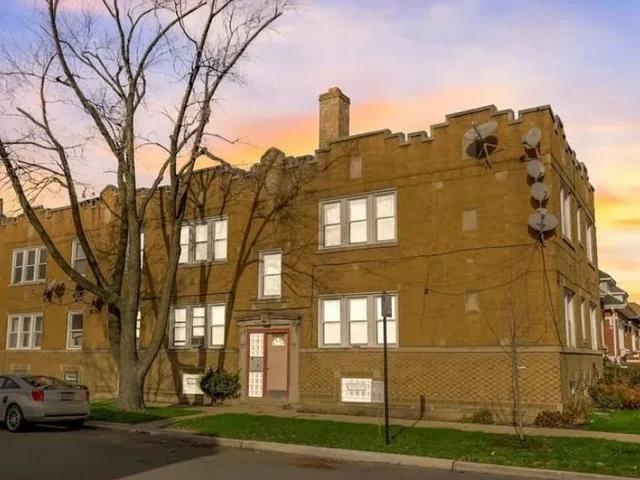
West Barry Condominium Association
5502-10 W Barry Ave, Chicago, IL
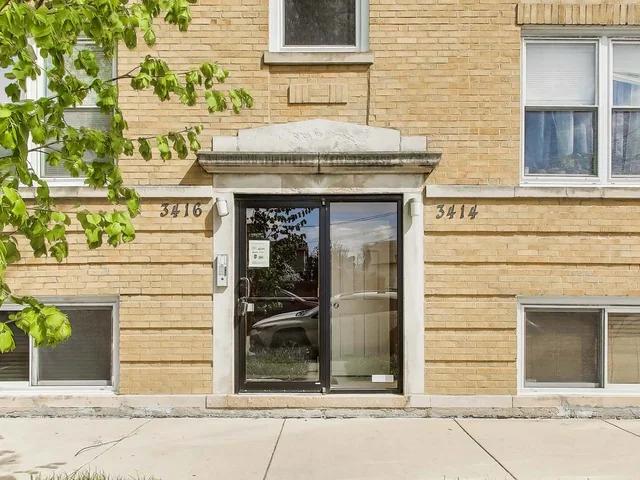
Cullom Condominium Association
3414-24 W Cullom Ave, Chicago, IL 60618
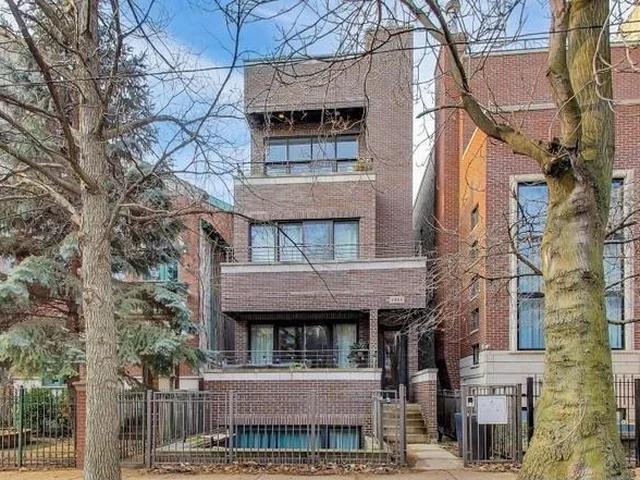
1044 N Wolcott Condominium Association
1044 N Wolcott Ave, Chicago, IL 60622
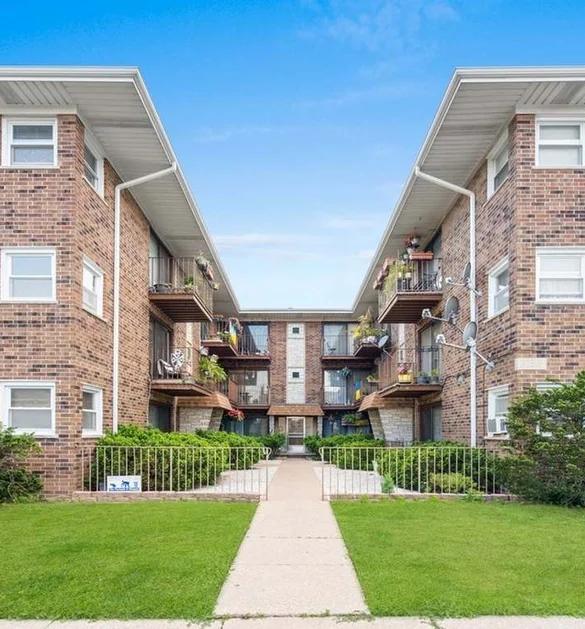
Kristina Courtyards Condominium Association
9450 W Lawrence Ave, Schiller Park, IL
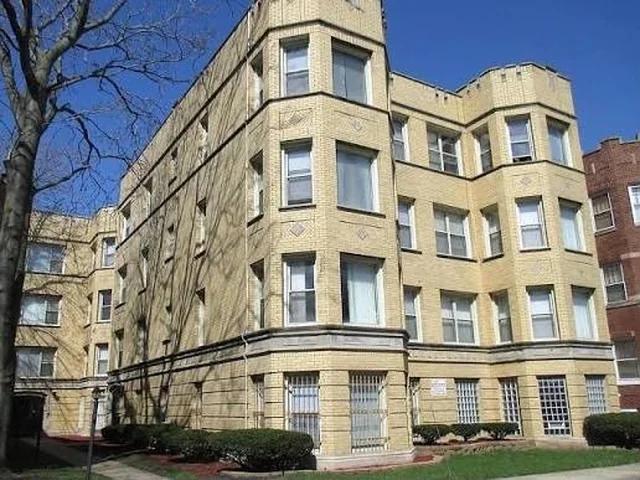
East End Ventures
7716 S East End, Chicago, IL
Answers to common questions.
Book a Free 30-min Call?
(847) 773-0026A management company handles the administrative side of an association: assessment billing and collections, bill pay, monthly financial reporting, reserve tracking, the document drive, the owner portal, vendor coordination and board meeting support. The board keeps every decision - budgets, rules, projects and reserves - and the manager executes them.
Fees depend on unit count, service level, building age and the condition of the records. Smaller associations usually pay a flat monthly fee, larger buildings a per-unit fee. Our cost guide explains the market ranges and what changes a quote - and every board starts with a free financial and issues review before any commitment.
Self-management saves the management fee but shifts the work to volunteers: collections, financials, vendor bids, insurance certificates and records. It works for small, simple associations with an organized treasurer. Once delinquency is discovered late, bids are skipped or minutes fall months behind, a hybrid model usually costs less than the mistakes.
Watch for repeated no-bid awards to the same vendors, invoices that do not match contracts, emergency work that skips procurement, rising vendor spend against flat reserve contributions and financial reports that cannot be audited line by line. Ask for the vendor list, the bids and the reserve ledger - vague answers are the answer.
Usually yes. The management agreement's termination clause governs notice and record transfer. A well-run transition takes about two weeks: records, bank accounts and vendor logins transfer, the roster is verified, the portal opens and collections continue without a gap.
A reserve study inventories the building's major components - roof, masonry, mechanicals, paving - assigns remaining life and replacement cost, and models the annual funding needed. It is how a board plans a roof replacement instead of discovering one. Illinois boards should review theirs every few years and fund toward the projected target.
Reserve studies commonly recommend 15-20% of the annual operating budget, aiming to fully fund projected capital needs over time. The right number depends on the building's systems and their remaining life - the study models it, and the board approves the contribution in the budget.
Yes - that is the hybrid model. The board keeps decisions and as much of the work as it wants, while the company handles collections, financials, documents, owner requests and vendors. Our self-managed HOA support page explains which functions boards usually hand over first.
Share your issues & questions. Leave with a path to the “Promised Land.”