HOA Reserve Studies in Illinois: A Board Guide
The Plan Behind the Roof.
What a reserve study actually contains, how Illinois boards use one, how often to update it and the warning signs that yours is out of date.
What a reserve study is
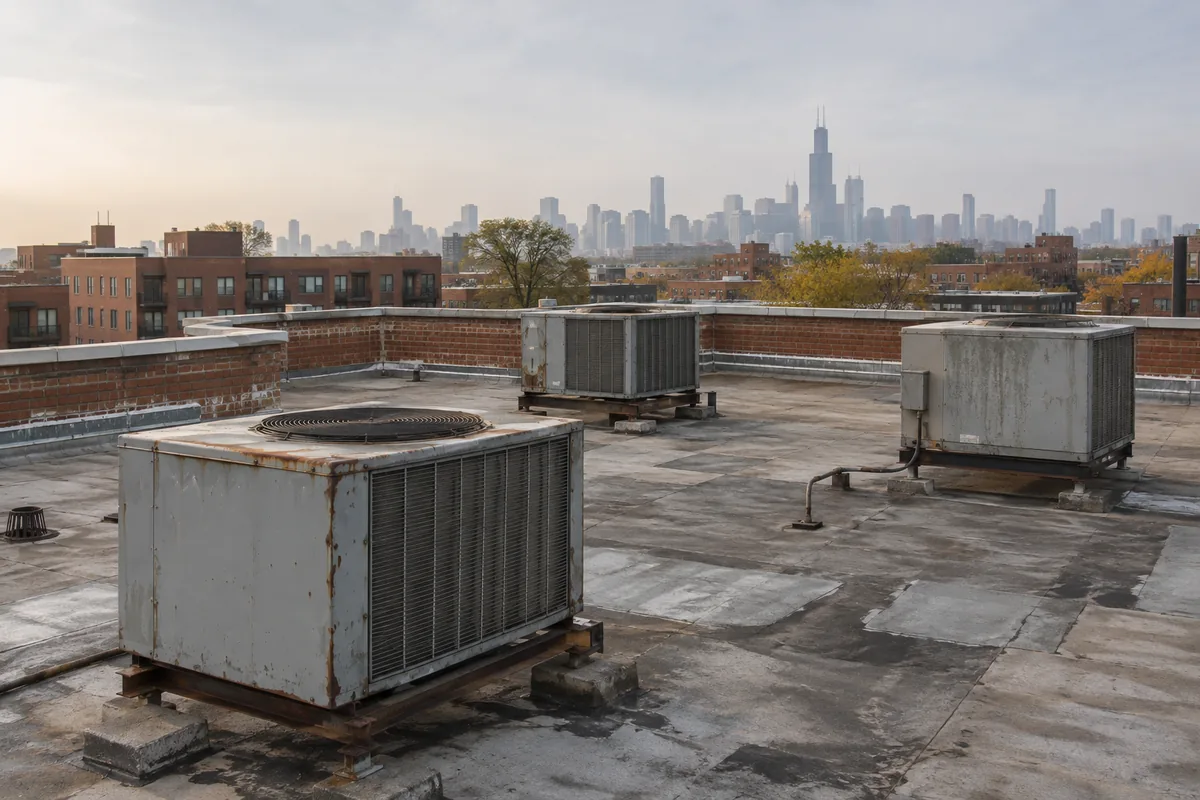
A reserve study is a planning document for the parts of a building that wear out. It inventories the association's major components - roof, masonry, windows, mechanicals, elevators, paving, lighting - estimates what each will cost to repair or replace, projects when that will be needed, and calculates how much the association should set aside each year to be ready.
A study is not an inspection report, a budget or an audit. It is the link between the building's condition and the money the board collects: the document that turns "the roof will need work someday" into a date, a cost range and an annual contribution. When the funding falls short anyway, the result is covered in our guide to special assessments in Illinois .
What is inside one
Most studies contain four parts:
- Component inventory - every major system the association is responsible for, with quantity and location
- Condition and remaining life - how worn each component is and how many years it should last
- Cost estimates - replacement or repair cost for each component, usually in today's terms with an inflation assumption
- Funding analysis - a 20-30 year cash flow model showing contributions, spending and the projected reserve balance
A good study also states its assumptions plainly - inflation rate, interest earned, contingency - so the board can see where the numbers came from.
Why boards need one
Three reasons, in order of importance:
It prevents special assessments. An association that knows the roof has eight years left can fund for it over eight years. An association without a study funds whatever the current budget allows and discovers the roof when it leaks - which is how a maintenance event becomes a personal financial event for every owner.
It is what lenders and buyers look for. A reserve study and a funded reserve account are standard questions in a condo sale, and weak answers stall closings or reduce prices.
It gives the board a defensible budget. A contribution increase is easier to explain when it maps to a projected component replacement instead of a spreadsheet shortfall.
Reserve studies and Illinois boards
Illinois does not require every association statewide to commission a reserve study, but many declarations, insurers and lenders expect one - and some governing documents require periodic updates. Check the declaration and your insurance requirements before deciding you do not need one. This is general practice, not legal advice; association counsel can confirm what applies to your building.
The study itself is usually prepared by a reserve study firm or qualified consultant who walks the property, counts and measures components and runs the funding model. Boards should expect a site visit, not a spreadsheet filled in remotely.
How often to update it
Two rhythms matter:
- Every three to five years - a full update with a fresh site walk, because components age, costs move and projects get completed
- Every year - an inflation and project update so the funding model reflects the current budget
The board should also revisit the study after any major project, any special assessment, or any change in the building's systems - the plan is only useful if it matches the building.
Funding targets and "percent funded"
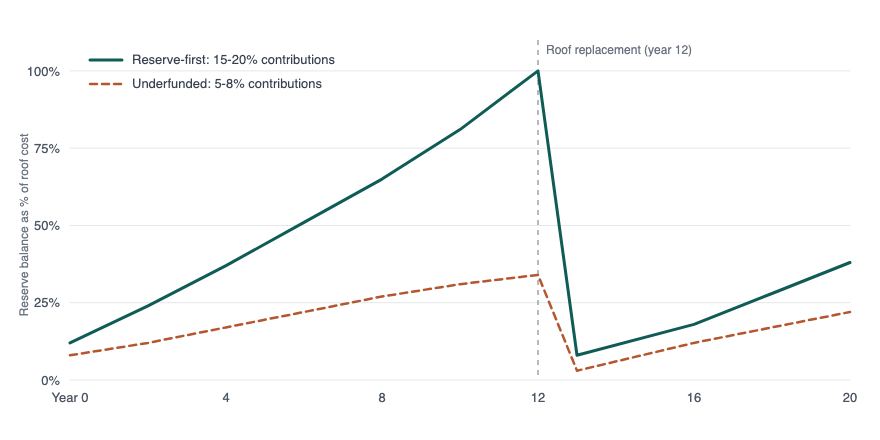
Reserve studies typically recommend contributions in the range of 15-20% of the annual operating budget, calibrated to fully fund projected capital needs over time. The common measure is "percent funded" - the reserve balance divided by the amount that should be on hand for the components' current age. A building at 70% or better is in reasonable shape; below 30% is usually a sign that the association has been funding too little for years.
The board does not have to fix a low number in one budget. A multi-year plan that raises contributions steadily and prioritizes the nearest failing components is better than a dramatic increase that owners reject.
How boards actually use it
A reserve study should sit next to the budget, not in a drawer:
- Set the reserve contribution line in the annual budget
- Schedule projects by remaining life - not by emergency
- Decide when to get bids, and how much reserve to hold before starting
- Explain contribution increases to owners with a document instead of a promise
- Give buyers and lenders a straight answer during a sale
Reserve money should also stay separate from operating cash, with board approval for every draw - the study assumes the funds are actually there when the component fails.
Warning signs your study is out of date
- No study exists, or nobody can find the last one
- The study is more than five years old and never updated for inflation
- Components are missing - no elevator, no garage, no masonry line
- Projects completed years ago still appear as future spending
- The funding recommendation was never reflected in the budget
- The board treats the study as a one-time document instead of an annual tool
For how reserves, budgets and management fit together, read our HOA management guide for Chicago boards . If your board wants a second opinion on its reserve position, talk to us - the call is free.
A two-week onboarding that respects your time.
From inquiry to live operations in about 14 days.
Free Intro Call - Week 0 (30 min)
Talk through your issues, get practical next steps, and decide if we're a fit - no pressure. The call is completely free, no strings attached.
Setup & Docs - Week 1
Software and owner portals enabled, owner roster and vendor logins collected, welcome packets sent and the board trained.
Go-Live & Monitor - Week 2
Collections, accounts payable and reporting start, followed by a first 30-day check-in and a quarterly board cadence.


Buildings We Manage.
Condominium associations and communities across Chicago, Rosemont and Schiller Park - managed by our condo management and association management teams.
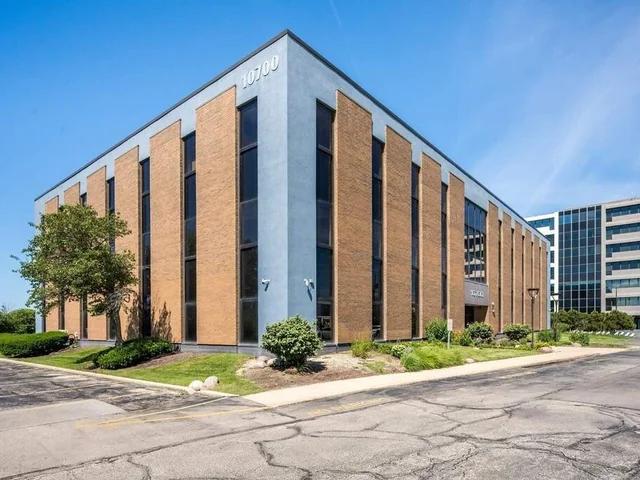
Northpointe O'Hare Condominium Association
10700 W Higgins Rd, Rosemont, IL 60018
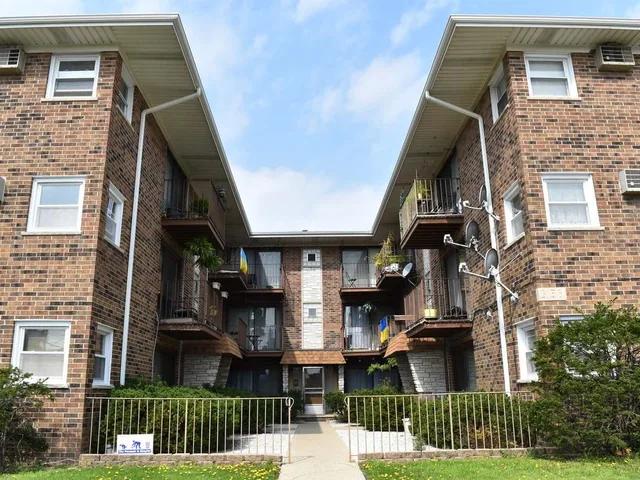
Neenah Manor Condominium
3158 N Neenah Ave, Chicago, IL 60634
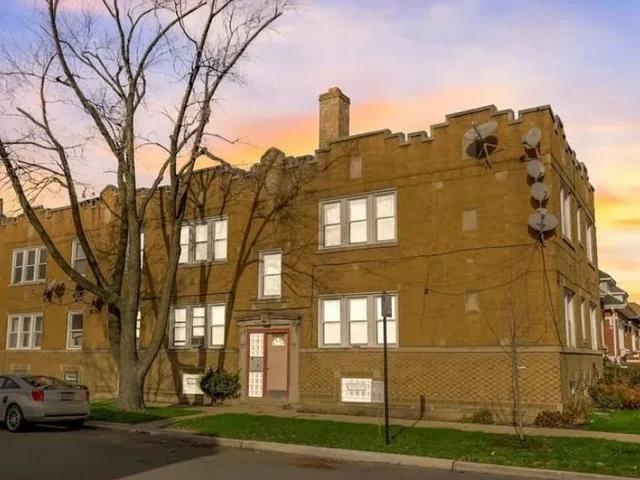
West Barry Condominium Association
5502-10 W Barry Ave, Chicago, IL
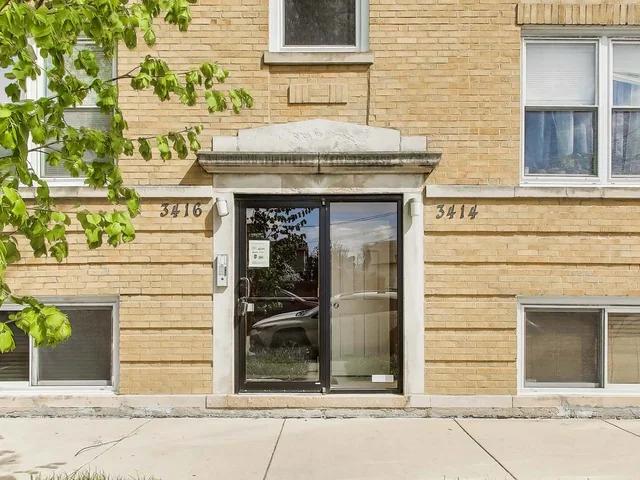
Cullom Condominium Association
3414-24 W Cullom Ave, Chicago, IL 60618
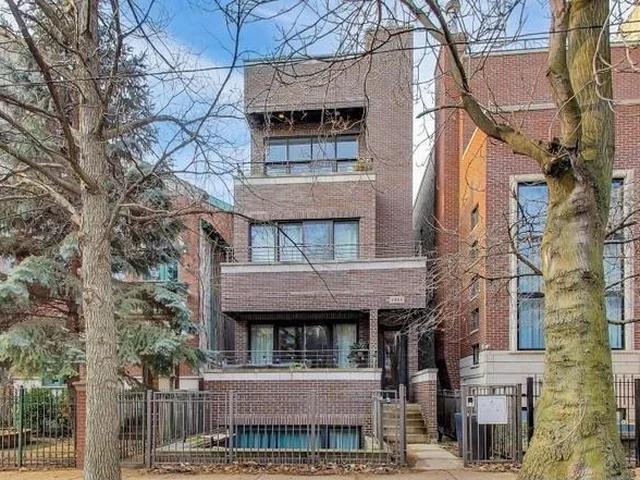
1044 N Wolcott Condominium Association
1044 N Wolcott Ave, Chicago, IL 60622
Kristina Courtyards Condominium Association
9450 W Lawrence Ave, Schiller Park, IL
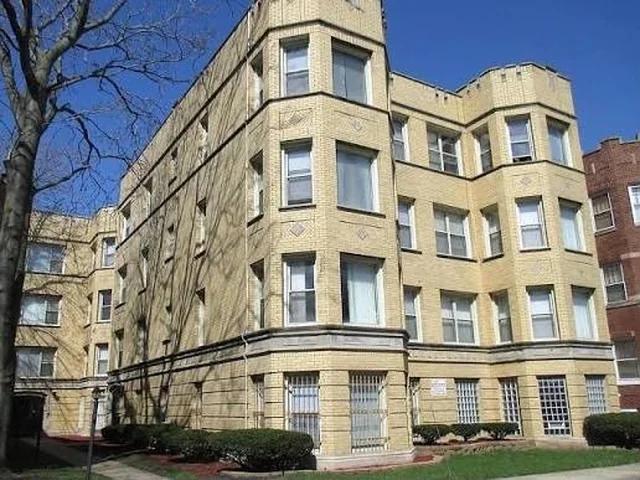
East End Ventures
7716 S East End, Chicago, IL
Answers to common questions.
Book a Free 30-min Call?
(847) 773-0026A planning document that inventories the association's major components, estimates their replacement cost and remaining life, and models the annual contributions needed to fund them. It connects the building's condition to the budget.
A full update with a fresh site walk every three to five years, plus an annual update for inflation, completed projects and current costs. Revisit it after any major project or special assessment so the plan matches the building.
Illinois does not require every association statewide to commission one, but many declarations, insurers and lenders expect a current study - and some governing documents require updates. Check your documents and insurance requirements; association counsel can confirm what applies.
Reserve studies typically recommend 15-20% of the annual operating budget, calibrated to fully fund projected capital needs over time. The right number depends on the components and their remaining life - the study models it and the board approves it in the budget.
The reserve balance divided by the amount that should be on hand for the components' current age. Around 70% or better is reasonable; below 30% usually means years of underfunding. A multi-year plan to raise contributions steadily is better than one dramatic increase.
A reserve study firm or qualified consultant who walks the property, counts and measures components and runs the funding model. Expect a site visit - a study filled in remotely from a template is not a study of your building.
Share your issues & questions. Leave with a path to the “Promised Land.”