
How to Switch HOA Management Companies in Chicago
The Transition, Step by Step.
A board that plans the switch properly loses nothing: not a collection, not a bill, not a document. Here is the sequence that makes that true.
1. Decide what is actually wrong before you switch
Most boards switch for one of four reasons: reporting that arrives late or cannot be read, vendor work that is never bid, reserve funds that stay flat while spending climbs, or support that disappears after the contract is signed. Name the problem precisely, because the next agreement should be built to solve it - and a new manager who repeats the old pattern costs the association another year.
If the problem is cost alone, check the market before moving. Our Chicago HOA management cost guide explains what drives a quote. If the problem is scope - the board wants to keep more of the work - a hybrid model may fit better than a full switch; see self-managed HOA support .
2. Read the current management agreement first
Before any vote, the board should read three things in the existing contract: the termination clause, the notice period, and what happens to records and funds at exit. Illinois associations are generally free to change managers, but the agreement controls the mechanics - notice windows, early termination fees and record handover. If the agreement auto-renews, calendar the notice deadline now so the decision is not made by default.
This is also the moment to confirm board authority. Check the bylaws for whether the board can hire and fire management alone, or whether owner notice or a membership vote is required above a threshold. A board that skips this step can win the vote and still lose the transition.
3. Run the decision as a proper board action
Put the item on a noticed board agenda, discuss the candidates or the motion, vote, and record the vote and the reasons in the minutes. Keep the proposals, the comparison and the signed agreement with the corporate records. If the association has owners who watch the board closely - and most do - a clean paper trail turns a political fight into a routine governance step.
4. Serve notice and set one transition date
Send written notice according to the contract, and agree on a single cutover date with both companies. The outgoing manager should keep operating normally until that date - collecting assessments, paying vendors, answering owners - and the incoming manager should be ready to take over the next morning. Two managers operating at once is how double payments and confused vendors happen.

5. Request the records in writing
The incoming manager should send a written records request the day the notice goes out. The list that matters:
- Governing documents - declaration, bylaws, rules, amendments
- Minutes and resolutions - at least the last several years, plus the current year
- Financials - monthly statements, budgets, annual reports and tax filings for the past three to five years
- Reserve records - the reserve study, reserve ledger and board approvals for every draw
- Owner records - the current roster, ledger balances and delinquency notes
- Contracts - vendors, utilities, elevator, landscaping, snow, insurance policies and certificates
- Building records - warranties, permits, inspection reports, keys and access codes
- Open matters - litigation, claims, violations and projects in progress
Ask for digital copies in their native format, not PDFs of spreadsheets. The accounting team will need to work with the ledgers, not just read them.
6. Move the money and the access
Bank accounts, portal administration, utility accounts, the post office box and vendor logins all have to change hands. The board should be a signer or approver on association funds at every stage - no transition should leave the association's money controlled by one company with no board visibility. Confirm in writing which accounts close, which transfer and which stay open under board control.
7. Tell the owners before they hear it from a vendor
A short, plain letter does the job: who manages the association now, what changes for owners (payment address, portal, phone number), what stays the same (assessment amount, due dates, services) and where to ask questions. Send it before the cutover and post it in the lobby. Confusion is what turns a routine transition into a stream of angry calls.
8. The first 30 days decide whether the switch worked
Watch four numbers in the first month: collections posted on time, bills paid on time, owner requests answered within the stated window, and the first financial report delivered on the agreed date. If those four hold, the transition worked. If one slips, raise it at the 30-day check-in - not at the annual meeting.
Our standard transition is two weeks from notice to live, with a 30-day check-in and quarterly reporting from there. The full sequence, including how we choose the next manager, is in our HOA management guide for Chicago boards .
What switching usually costs - and what it should not
Expect a possible overlap of one month where both companies bill, plus setup work if the records are in poor shape. Switching should not cost the association a special assessment, a gap in collections or a lost reserve ledger - and a manager who cannot explain the transition in writing before signing is telling you how the relationship will go.
Questions about your specific agreement or timeline? Talk to us - the call is free and there is no obligation.
A two-week onboarding that respects your time.
From inquiry to live operations in about 14 days.
Free Intro Call - Week 0 (30 min)
Talk through your issues, get practical next steps, and decide if we're a fit - no pressure. The call is completely free, no strings attached.
Setup & Docs - Week 1
Software and owner portals enabled, owner roster and vendor logins collected, welcome packets sent and the board trained.
Go-Live & Monitor - Week 2
Collections, accounts payable and reporting start, followed by a first 30-day check-in and a quarterly board cadence.


Buildings We Manage.
Condominium associations and communities across Chicago, Rosemont and Schiller Park - managed by our condo management and association management teams.

Northpointe O'Hare Condominium Association
10700 W Higgins Rd, Rosemont, IL 60018
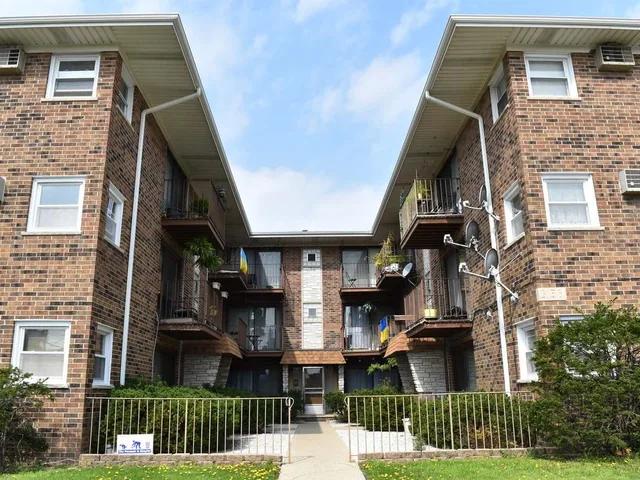
Neenah Manor Condominium
3158 N Neenah Ave, Chicago, IL 60634

West Barry Condominium Association
5502-10 W Barry Ave, Chicago, IL
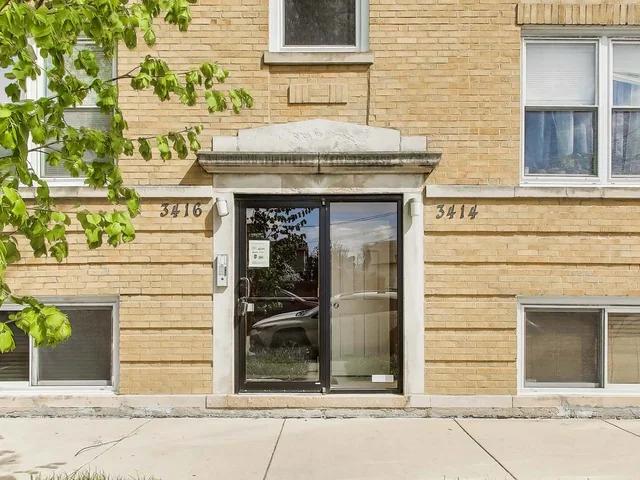
Cullom Condominium Association
3414-24 W Cullom Ave, Chicago, IL 60618

1044 N Wolcott Condominium Association
1044 N Wolcott Ave, Chicago, IL 60622
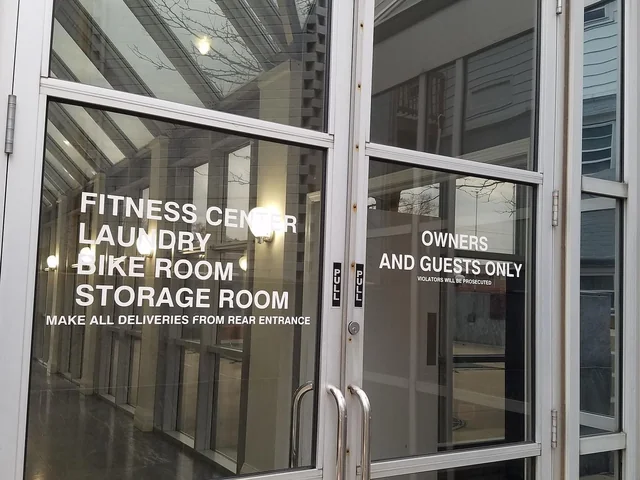
Kristina Courtyards Condominium Association
9450 W Lawrence Ave, Schiller Park, IL
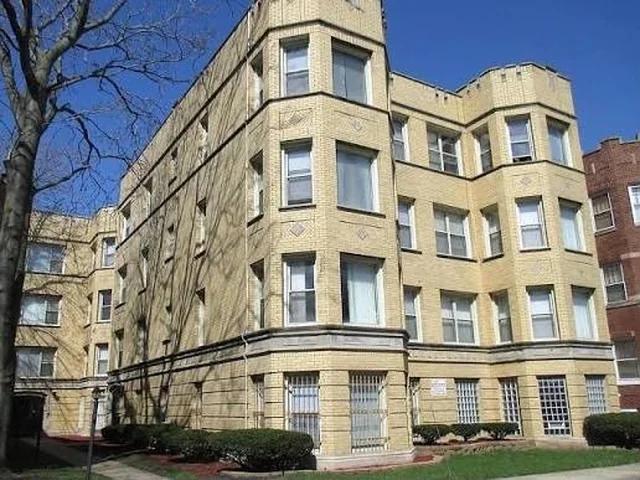
East End Ventures
7716 S East End, Chicago, IL
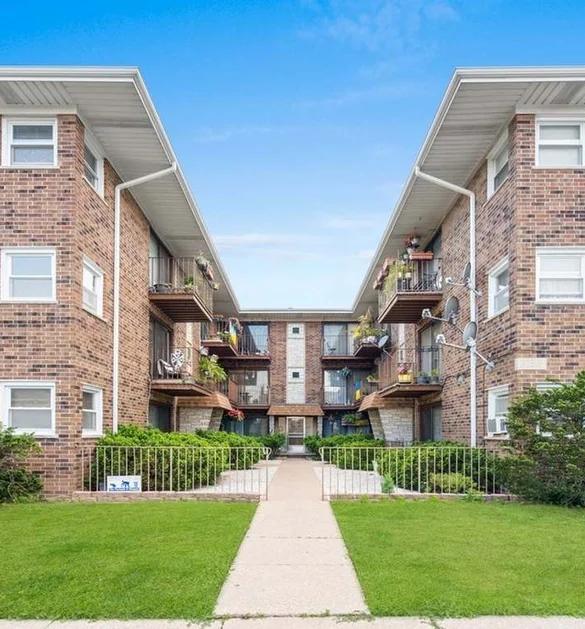
Answers to common questions.
Book a Free 30-min Call?
(847) 773-0026It depends on the management agreement - most contracts set a notice window, often 30 to 90 days, and some auto-renew if notice is missed. Read the termination clause before the board votes, and calendar the deadline so the decision is not made by default.
Usually yes. The agreement's termination clause governs notice and record transfer, not the calendar. A well-run transition takes about two weeks from notice to live, with collections continuing without a gap.
In most Illinois associations the board hires and fires management without a membership vote - but check the bylaws, because some declarations require owner notice or approval above a threshold. Record the board vote and the reasons in the minutes either way.
Governing documents, minutes and resolutions, several years of financials and tax filings, the reserve study and ledger, the owner roster and balances, vendor and insurance contracts, warranties, permits, keys and open matters. Request them in writing the day notice goes out, in native digital formats where possible.
Plan for a possible one-month overlap where both companies bill, plus setup work if records are in poor condition. Switching should not require a special assessment or interrupt collections - and every quote should be written and itemized before the board signs.
Send a short letter before the cutover: who manages the association now, what changes for owners (payment address, portal, phone), what stays the same (assessment amount, due dates, services) and where to ask questions. Post it in the lobby as well.
Put the request in writing, copy the board, and set a deadline tied to the contract's exit terms. Illinois law gives owners and the association rights to association records - a manager who stalls is creating a paper trail the board can use. The incoming manager should chase the list, not the board alone.
Share your issues & questions. Leave with a path to the “Promised Land.”